













Businesses have been automating routine customer service tasks for years. Workflow tools execute predefined processes, ticketing systems manage customer requests, and chatbots answer frequently asked questions. But when customer issues require context, reasoning, or decision-making, these systems often reach their limits.
Agentic AI is changing this approach. Unlike traditional AI tools that typically react to predefined commands, agentic AI systems can understand goals, analyze data, make decisions, and carry out tasks with minimal human assistance. These autonomous AI systems can adapt their actions based on changing customer needs and circumstances.
From banking and insurance to retail and travel, businesses are exploring agentic AI to deliver faster customer resolutions and automate complex workflows. In this article, we look at real-world examples of agentic AI in action, with each example backed by a named company, deployment, or measurable outcome where available.
What Is Agentic AI?
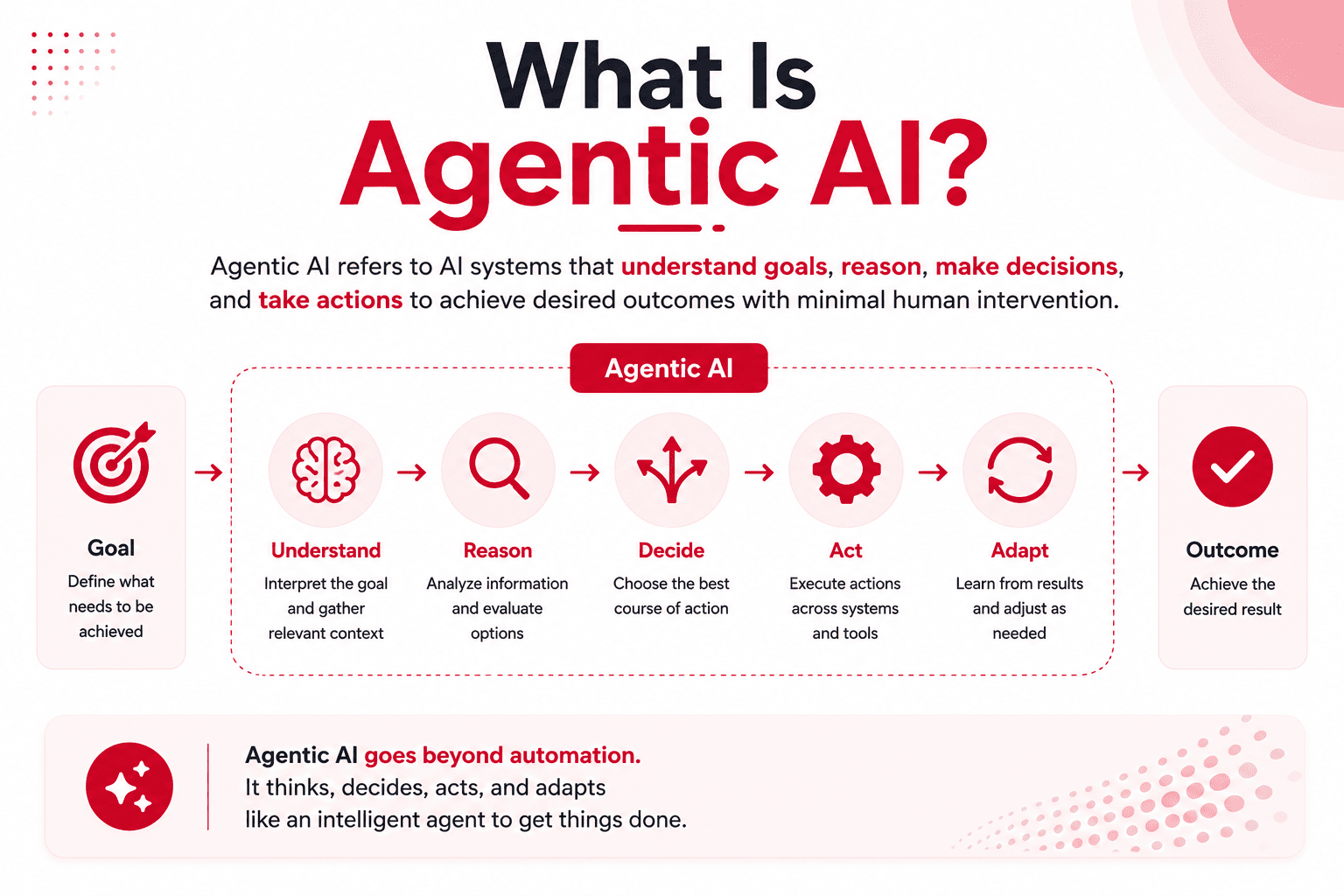
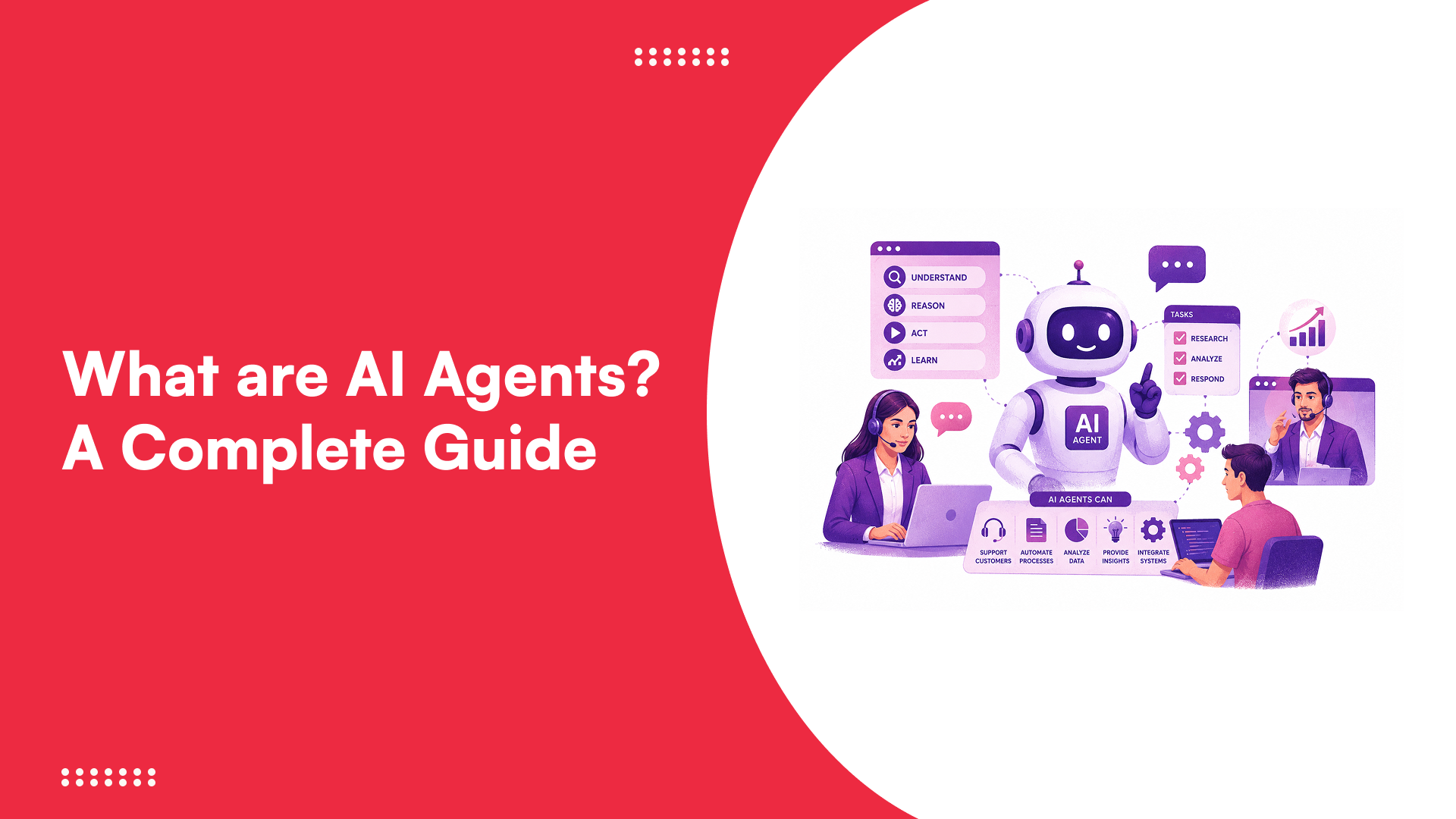
Artificial intelligence systems designed to autonomously accomplish tasks by understanding objectives are referred to as agentic AI. In simple terms, these systems can determine what actions are needed to achieve a desired outcome and carry them out with minimal human intervention.
Conventional AI systems typically operate within predetermined parameters. For example, a chatbot might use a knowledge base to answer a commonly asked question, but it may not be able to authenticate an account, initiate a refund, update a customer record, or coordinate with another department on its own.
Agentic AI extends these capabilities through four key characteristics:
- Autonomy performs tasks with minimal human intervention
- Reasoning evaluates information and determines the appropriate next step
- Decision-making selects actions or workflows based on customer intent and context
- Task execution completes actions such as creating tickets, updating records, initiating refunds, or triggering workflows
Together, these capabilities allow agentic AI to move beyond simply responding to requests and actively taking the actions required to achieve an intended outcome.
Real-World Agentic AI Examples and Use Cases
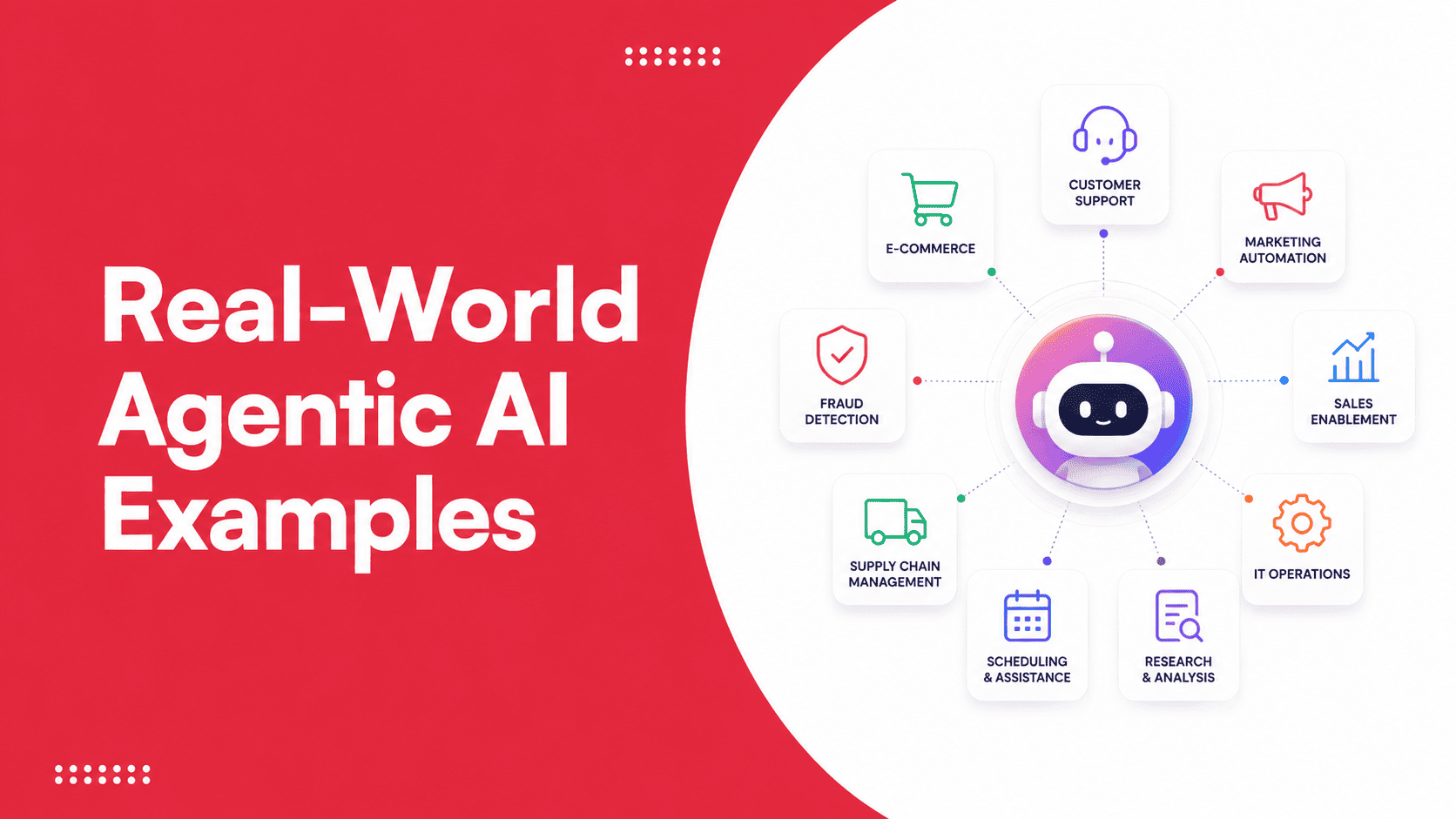
Given below are the top 9 agentic AI use cases that you can check out.
1. Autonomous Customer Complaint Resolution
One of the most practical Agentic AI use cases is autonomous complaint resolution, where AI agents manage the entire support journey.
An agentic AI for customer service can:
- Identify customer intent from conversations across chat, email, voice, or messaging platforms.
- Prioritise tickets based on urgency and customer impact.
- Retrieve relevant information from CRM systems and knowledge bases.
- Create and assign support tickets automatically.
- Suggest or execute resolutions based on company policies.
- Escalate complex cases to human agents with complete conversation history.
Klarna is a widely cited example: the company’s OpenAI-powered support assistant handled two-thirds of customer service chats in its first month.Additionally, the company has also reported the assistant completing work equivalent to roughly 700 full-time agents, while holding customer satisfaction at levels comparable to human support.
2. Banking and Loan Processing
Loan processing is a good example of where traditional automation reaches its limits.
A customer applying for a loan may interact with several systems: application portals, identity verification platforms, credit assessment tools, fraud detection systems, and customer support channels. A delay in any step can increase processing time and create frustration.
This is why banking has become one of the most discussed areas for Agentic AI examples in banking.
AI agents can support the lending journey by coordinating:
- Customer application collection
- Document verification
- Eligibility checks
- Fraud screening
- Approval workflows
- Customer communication
JPMorgan Chase has invested heavily in artificial intelligence applications across banking operations, including risk management, fraud detection, and customer service. The bank has highlighted AI’s role in improving operational efficiency and supporting employees.
3. Insurance Claims Processing
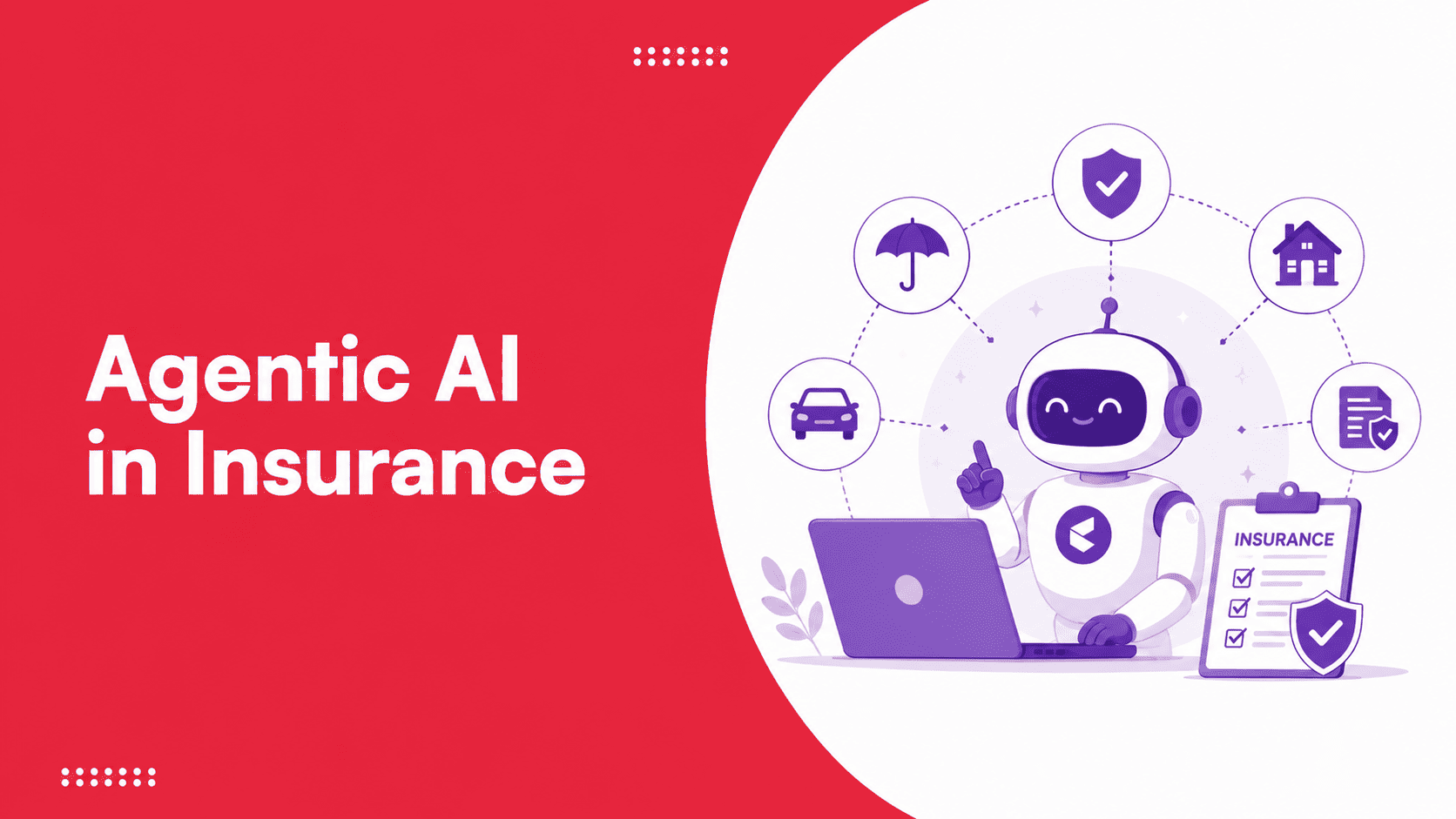
Insurance claims involve several stages, including claim submission, policy verification, damage assessment, fraud checks, and settlement communication. Agentic AI applications can help insurers automate many parts of the claims lifecycle, such as:
- Receive and categorise claims
- Extract information from claim forms and supporting documents
- Verify policy coverage
- Analyse claims for possible fraud indicators
- Initiate settlement workflows
- Provide customers with real-time updates
- Escalate unusual cases for human investigation
This does not mean removing human involvement completely. Complex claims involving disputes or large financial impacts can still be reviewed by human experts.
Instead, agentic AI reduces repetitive administrative work and allows employees to focus on cases requiring deeper analysis.
4. Omnichannel Customer Experience Management
Websites, mobile apps, email, WhatsApp, social media, and voice calls are just a few of the ways that modern consumers engage with brands. Maintaining consistent service across all these touchpoints is a significant problem for businesses.
Agentic AI contributes to the creation of a cohesive customer experience by linking interactions and workflows across various channels leading to an excellent omnichannel experience.
For instance, a client may start a WhatsApp chat regarding a delayed order and then contact customer service. The interaction history can be stored by an agentic AI system, allowing the human agent to carry on the conversation without having to ask the client to repeat specifics.
For big businesses handling a lot of client interactions, this capability is crucial.
5. Travel and Hospitality Customer Support
The scale of the travel industry makes efficient customer service a critical priority. The World Travel & Tourism Council estimates that travel and tourism generate about $11.6 trillion, or 9.8% of the world’s GDP.
Due to the daily reliance of millions of travelers on airlines, hotels, and travel platforms, businesses operate in a dynamic environment where customer demands are subject to sudden changes. In such dynamic scenarios, agentic AI can help with:
- Booking and reservation management
- Flight or hotel modification requests
- Cancellation processing
- Refund assistance
- Travel disruption notifications
- Personalised recommendations
For customers, the benefit is faster assistance. For businesses, agentic AI reduces the operational burden during peak periods while maintaining consistent service quality.
6. Retail Returns and Refund Management
Returns and refunds are among the most common customer service interactions in retail. The process may appear pretty simple from a customer perspective. In reality, businesses must verify orders, check return policies, identify potential fraud, process refunds, and update inventory systems to process each return request.
An AI agent can help to ease the whole pipeline autonomously:
- Verifying order details and purchase history.
- Checking whether the request meets return policy requirements.
- Detecting unusual return patterns that may indicate fraud.
- Initiating refunds or replacement requests.
- Updating customers about return status.
7. Autonomous Debt Collection and Recovery
Recovering payments and upholding good customer relations must be carefully balanced in debt collection. Because consumers have varying financial circumstances and communication preferences, generic reminders are frequently useless.
One of the emerging agentic AI use cases is intelligent debt recovery, where AI agents manage payment communication while considering customer context.
AI agents:
- Identify overdue accounts
- Analyse customer payment history
- Segment customers based on risk profiles
- Send personalised payment reminders
- Recommend suitable repayment options
- Track payment commitments
- Escalate sensitive cases to human specialists
In financial services, this approach helps organisations move away from purely transactional collection methods and towards more customer-focused recovery processes.
8. Employee Service Desk Automation
Customer service is not just for clients from outside the company. Internal teams like IT, HR, and administrative divisions must also provide prompt assistance to employees.
Thousands of internal requests, such as software access, payroll inquiries, policy-related queries, onboarding chores, and password resets, are handled by large organizations. Manually handling these requests may result in longer response times and more operational labor.
Agentic AI can act as an internal service assistant and help with:
- Resolving IT support requests
- Answering HR policy questions
- Processing access requests
- Managing approval workflows
- Supporting employee onboarding
- Creating and updating service tickets
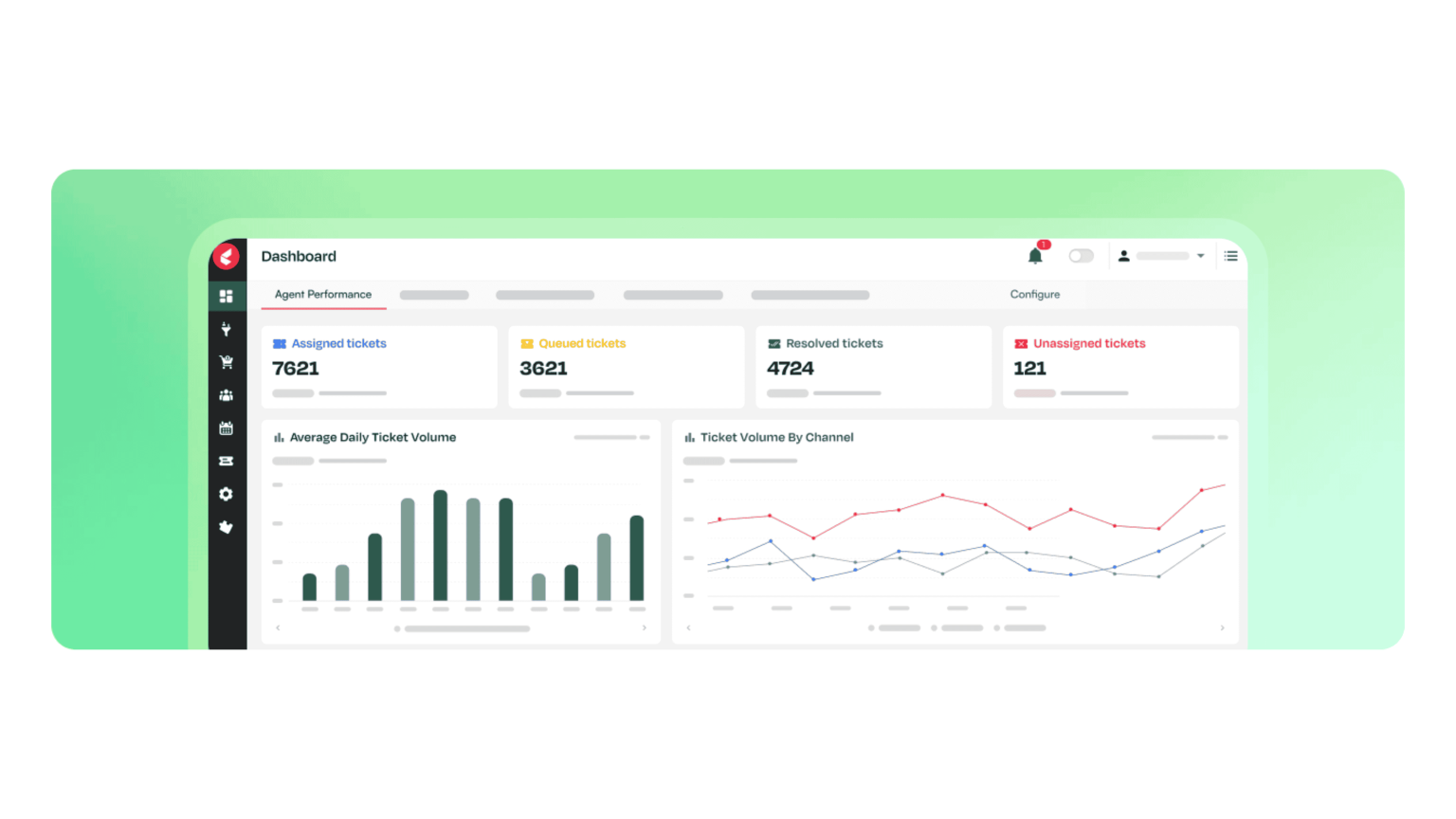
Platforms like Kapture Agent OS enable enterprises to build and orchestrate AI agents that can manage service workflows, connect with existing business systems, and involve human teams when exceptions require manual intervention.
9. AI Voice Agents for Customer Service
The growing need for more organic and effective consumer connections is reflected in the expanding use of conversational AI. The global conversational AI market was estimated to be worth USD 14.79 billion in 2025 and is projected to reach USD 82.46 billion by 2034, according to Fortune Business Insights.
This expansion demonstrates how companies are transitioning from conventional IVR systems to AI-powered voice experiences that can comprehend consumer intent and manage intricate service demands.
Modern voice agents can:
- Understand natural language conversations
- Authenticate customers securely
- Retrieve information from enterprise systems
- Process service requests
- Complete transactions based on permissions
- Transfer conversations to human agents when required
How to Implement Agentic AI in Your Business with AI Orchestration?
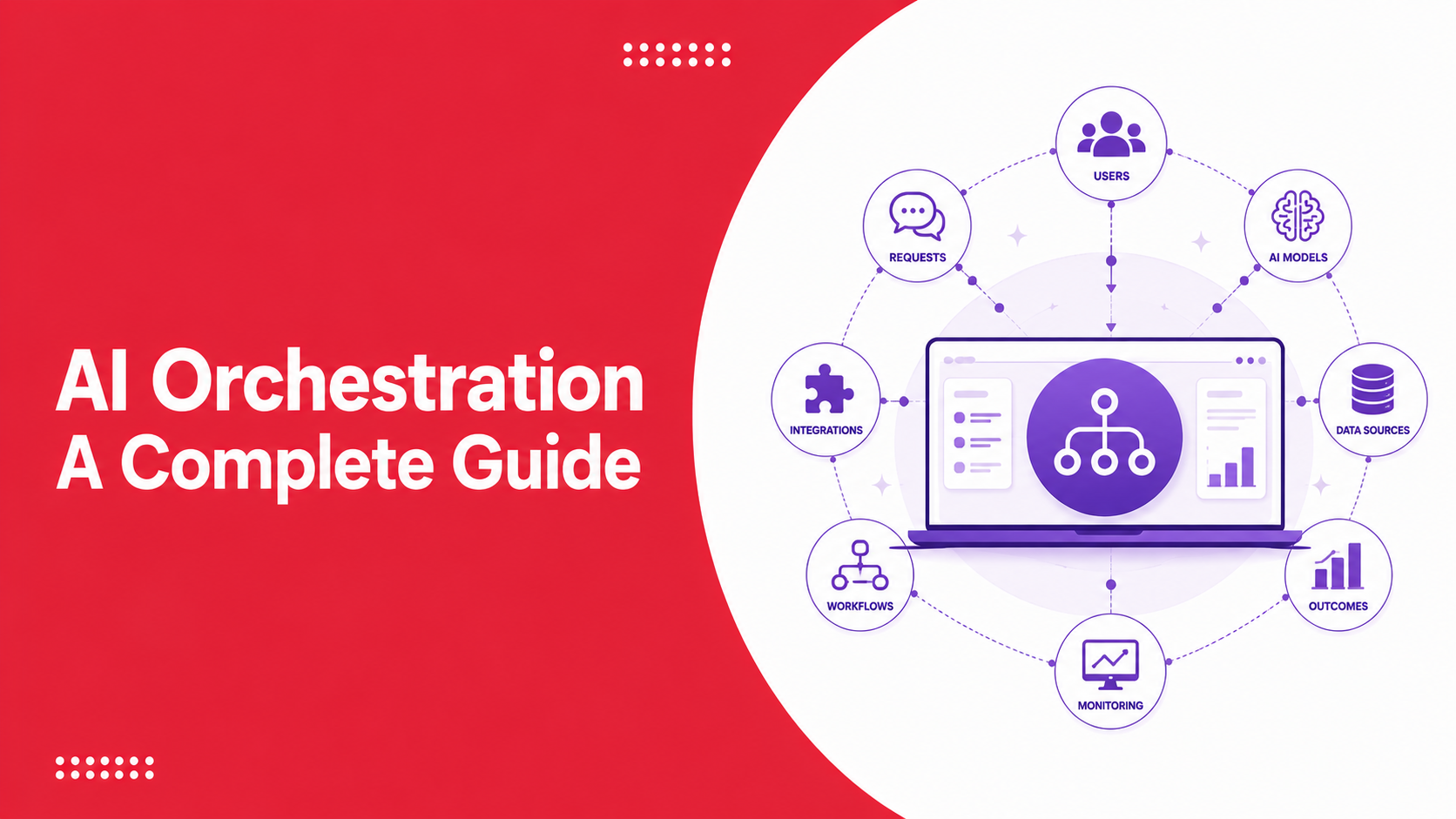
It takes more than just using individual AI technologies to implement agentic AI. Businesses require a system that can manage several AI agents, link them to current apps, and keep control over automated choices.
AI orchestration becomes crucial in this situation. As the management layer, AI orchestration distributes tasks, oversees workflows, organizes various AI agents, and makes sure automation adheres to business requirements.
A customer service pipeline might, for instance, include:
- A conversational agent comprehending the intent of the client
- A knowledge agent obtaining pertinent data
- A workflow agent handling inquiries
- An exception-handling human agent
These agents collaborate rather than functioning individually thanks to an orchestration layer. Businesses can create, manage, and optimize AI agents at scale with the help of Kapture Agent OS. It offers the framework for coordinating customer support processes, integrating AI agents with business systems, and preserving human-in-the-loop cooperation where necessary.
Finding high-volume processes, integrating AI agents with current systems, establishing escalation rules, and continuously enhancing performance using customer contact data should be the main goals of any company using enterprise agentic AI.
To learn more, schedule a customized demo with Kapture!
FAQs
The practice of managing and coordinating various AI agents, tools, and systems so they may cooperate to accomplish tasks is known as AI orchestration. It assists an AI agent in customer care in comprehending a request, obtaining pertinent data, carrying out necessary activities, and involving human teams when further assistance is required.
Businesses may develop connected workflows and go beyond standalone AI technologies with AI orchestration. Because many AI agents may coordinate their operations, a client request including multiple processes, such as verification, approval, and follow-up, can be handled more effectively. This preserves control over automated judgments while speeding up reaction times.
Companies should start by figuring out which procedures require teams to spend a lot of time responding to repeated requests. Organizations can integrate AI agents with current systems, specify when automation should take action, and designate places where human employees must evaluate or approve results after choosing appropriate use cases.
Conventional automation carries out particular activities according to predetermined guidelines and directions. Agentic AI is able to evaluate circumstances and modify its actions in response to shifting circumstances. This makes it helpful for intricate processes when a regular decision tree isn’t always able to handle client requirements.
Instead of totally replacing customer care workers, agentic AI is intended to assist them. Employees can concentrate on complex instances that call for empathy or critical thinking because it can handle repetitive queries and give agents pertinent information.



 +1833-386-0222 (USA)
 enquiries@kapture.cx