












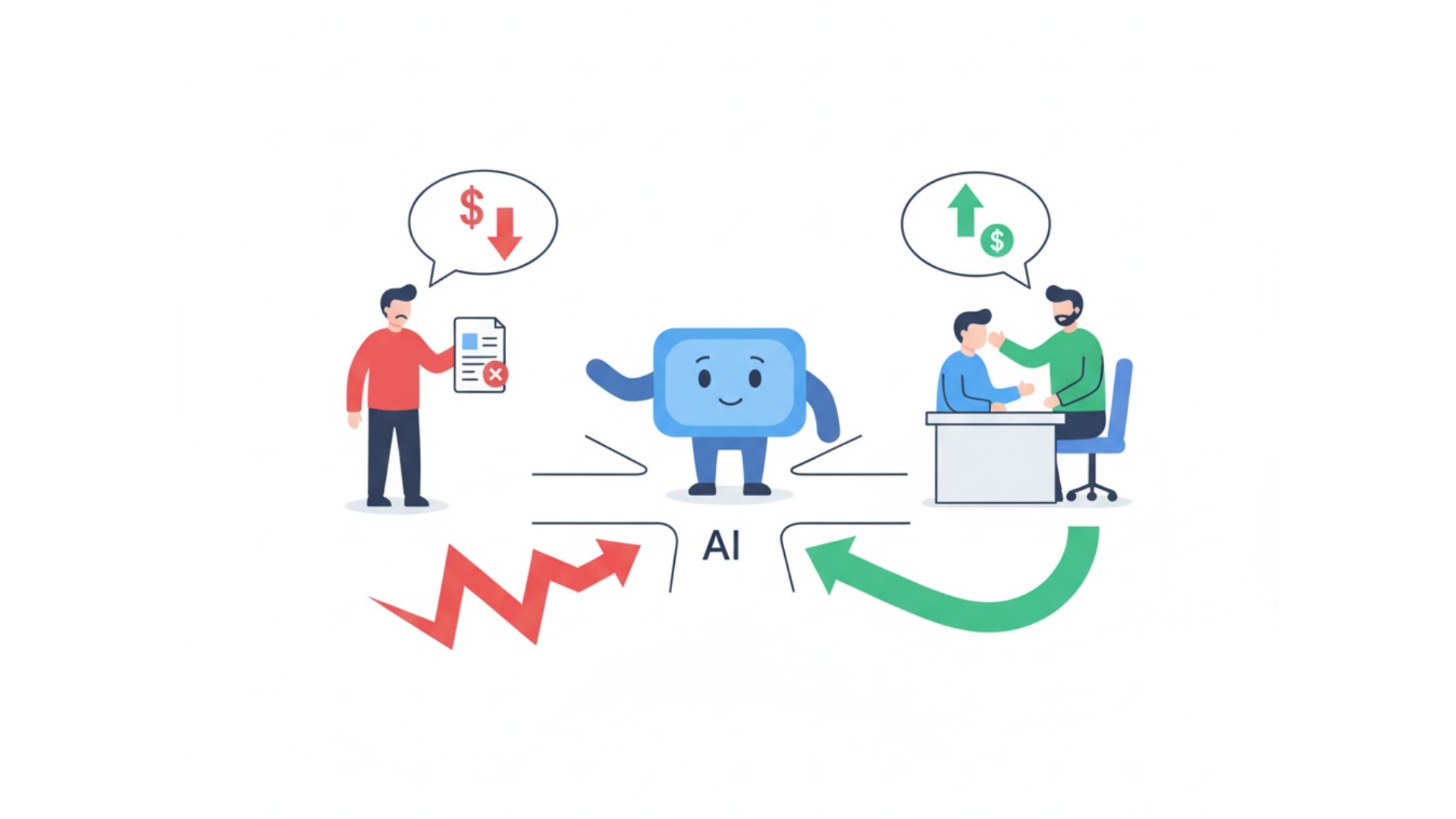

According to a Gartner survey, only 14% of support issues are successfully solved through self-service. This suggests that although the automated deflection process is incorporated into CX workflows extensively, it is not always a win.
An AI system can easily deflect a ticket by rerouting a customer to a self-service portal. However, if the customer’s issue is complicated or calls for empathy, this strategy will fail.
In such cases, customers get frustrated when their issues are not completely resolved, and this, in turn, increases the probability of churn rate. As per PR Newswire, customers value successful resolution over speed. In fact, 68% of surveyed customers said that an end-to-end query resolution is a top priority in support interactions.
Hence, the key to attaining CX goals is not just about deflecting tickets, but knowing when not to. This blog explores the pitfalls of overdeflection and helps you identify the tickets that should not be deflected for a better CSAT.
Why Deflection Became the Default CX Goal
Companies are opting for ticket deflections to offer quick resolutions for large volume queries. However, when deflection is done poorly, it becomes a barrier between customers and the assistance they require.
Here are the top reasons that render ticket deflection a non-negotiable tool in support –
1. Cost-to-Serve Pressures
Support organizations function under strict financial restrictions and are always under pressure to cut down their operational costs. Therefore, automating responses for common queries allows them to serve more customers with fewer resources.
2. Volume Spikes
Support teams often experience sudden increases in query volume, such as –
- Product launches
- Promotional campaigns
- Seasonal peaks
Handling these surges with human agents can be costly and challenging to scale. However, with automated deflection, you can manage high-volume calls quickly.
3. Over-Indexing on Automation Metrics
Many organizations prioritize metrics like deflection rates and first-contact resolution to measure support performance.
While these metrics are relevant, overemphasizing them may lead your teams to focus more on “closing” tickets than on solving customer problems.
The Hidden Costs of Over-Deflection
While deflection is often considered an effective tool for reducing operational CX costs, you may be overlooking its potential hidden costs. Here is how excessive reliance on deflection can cost you more!
1. Customer Frustration
According to PR Newswire, 75% of customers report receiving a prompt AI-driven response that ultimately did not meet their needs.
The reason? They were repeatedly redirected to automated self-service channels that failed to resolve their issues, leaving them increasingly frustrated. Plus, CSAT and NPS decline when customers feel their needs are not genuinely addressed.
2. Repeat Contacts
Over-deflecting can cause a situation where customers have to contact the company multiple times for the same issue. It is a waste of time and resources for both the customer and the company, as there are already costs involved in the multiple interactions.
3. Escalations that are Harder to Resolve
Automated and self-service solutions are typically designed for straightforward queries. When complex issues are escalated to live agents, they require more time and resources. This can lead to longer AHT and higher escalation rates.
4. Loss of Trust in Self-Service
Overuse of deflection can erode customer trust in self-service options. This reduces the cost-saving benefits of deflection, as more customers prefer human assistance, which is more expensive.
Which Tickets Should Never Be Deflected
Now that you know not all customer queries are ripe for deflection, here are the ticket types that demand a human touch to ensure a positive CX.
High-Emotion Issues
According to Gartner, in self-service, just 14% of customer service issues are solved entirely. Situations with high emotional stakes demand empathy and reassurance. Here are a few quick examples –
- A customer who has a fraudulent charge on a credit card feels insecure and nervous. If a bot follows a script and fails to verify identity or provide immediate human reassurance, the customer may get frustrated.
- Take the instance of a service outage. Customers look out for clear communication from a live agent to understand the next steps, rather than being redirected to generic FAQs.
- Failed payments can trigger financial anxiety. However, personalized assistance from a human agent helps de-escalate frustration.
High-Value Customers
VIP or high-end customers anticipate personalized assistance and prompt resolutions. These valuable clients need proactive, high-touch involvement, so sending these tickets to automated channels runs the risk of alienating them.
For example, a high-net-worth customer expects specialized service instead of a general FAQ when they face difficulties navigating the intricate details of a premium investment platform.
Complex or Exception-Heavy Scenarios
Deflection is not appropriate for customer issues involving complicated situations or exceptions, such as disputes, legal concerns, and intricate technical problems. Here, automated responses may overlook nuance, leading to further frustration.
A Better Framework: Value-to-Serve vs Cost-to-Serve
You need to shift the focus from merely reducing expenses to comprehending the actual ROI of better CX. This examines both the revenue and the value generated by a customer and the costs associated with serving them.
Here is a better framework to consider –
When Early Human Involvement Saves Money
For complex, high-stakes issues, early human support minimizes escalation and costly resolution delays. These can be instances like suspicious transactions or major outages. Although it might seem more expensive upfront, it eventually reduces long-term costs.
Deflection Decisions Based on Risk, Not Volume
Move ahead of ‘how many tickets you deflect’. Rather, consider which tickets could be resolved by a deflection tactic and which ones need human intervention.
Automated systems have their place when dealing with commonplace, low-risk issues such as password resets or account balance inquiries. However, for highly emotional CX issues, automation alone won’t suffice.
You need to consider the deflection risk to make every ticket resolution impactful. This risk-aware approach ensures that automation supports your overall CX overhaul.
How AI Can Make Smarter Deflection Decisions
While over-relying on automation can sometimes feel impersonal, smart use of AI allows you to make better deflection decisions without losing that human touch. Here’s how:
1. Sentiment and Intent Confidence Scoring
AI analyzes customer queries using NLP to identify emotional signs such as contentment or frustration. It assesses their intent’s clarity as well. If the sentiment is negative and confidence in the query is high, AI can decide whether to escalate or resolve the issue autonomously.
2. Journey-Stage Awareness
AI tracks where the customer is in their support journey. Whether they are new or returning, troubleshooting, or seeking account help. Using ML models, it understands context and then chooses the most appropriate channel.
3. Predicting the Likelihood of Self-Service Success
AI uses behavioral analytics and historical data to predict if a customer’s issue can be resolved through self-service. If the likelihood of success is high, it confidently defers to automation to save time. If not, it escalates early, ensuring customers get the help they need without frustration.
Deflection Done Right: Assisted Self-Service
If you are focusing on providing seamless support, a comprehensive CX automation may not be the best strategy. You need to orchestrate a smooth, assisted journey by bridging the gaps of self-service with agent assistance.
AI Handles the Setup, Humans Handle the Resolution
Choose smart orchestration. AI initiates the conversation, collects the necessary information, and directs the customer along the best route. This guarantees a smooth experience from the very first customer interaction.
But when the issue calls for nuanced understanding or emotional intelligence, human agents step in to deliver that personalized touch. This division of roles maximizes efficiency without compromising the quality of resolution.
Hybrid Flows Outperform Full Deflection
Hybrid workflows allow for optimization of case routing based on complexity. You can employ AI for initial triage and hand off complex cases to skilled humans to create a support ecosystem that is both agile and empathetic.
How Kapture Enables Intelligent Deflection
Kapture’s Self-Serve 2.0 allows up to 90% of ticket deflection to free up agent capacity for higher-value queries. This includes a perfect amalgamation of omnichannel self-service tools and smart routing to human agents. Here is how it works –
1. Context-Aware Self-Service
Kapture CX utilizes industry-specific vertical Large Language Models (LLMs) that are trained on domain-centric data. It enables a highly accurate understanding and resolution of industry-specific queries.
These vertical LLMs analyze customer inquiries in real-time by accessing integrated data such as –
- Interaction history
- Previous tickets
- Behavioral patterns
This specialized AI capability generates highly relevant, context-aware responses tailored to the specific industry. Results? Satisfied customers and high-quality support.
2. Smart Routing to Agents When Needed
When Kapture’s AI system detects that a query exceeds predefined confidence thresholds or involves sensitive issues, it triggers automatic escalation protocols and redirects to an agent. Plus, Kapture’s routing engine uses rule-based logic combined with predictive analytics to determine the best-fit human agent based on –
- Skill set
- Availability
- Customer history
3. Balancing Efficiency With Trust
Kapture uses a hybrid method with its Conversation Orchestration Layer that handles the transfer between AI and human agents flawlessly. By keeping a detailed interaction trail, the platform guarantees that the support agents possess all the requisite customer data.
Deflection Is an Economic Decision, Not a Binary One
Deflection is more than just reducing support volume. It’s an economic strategy that maximizes resource allocation. You must view it as a nuanced decision: balancing cost savings with CX.
The redirection of routine calls to digital platforms such as self-service or chatbots allows companies to optimize their resources and, at the same time, serve their customers faster and easier.
If you are seeking sustainable CX growth, opt for an intelligent deflection framework. Still confused where to start? Kapture CX is here to help. Our wide suite of smart routing and self-service features equips your team with smart, data-driven deflection strategies.
Wish to know more? Book a personalized demo right away!
FAQs
CX issues that require personalized advice, troubleshooting, or involve sensitive queries related to billing must be handled by a human agent.
Advanced AI systems utilize contextual understanding and predefined rules to pinpoint signs of frustration or complexity. This helps in prompting escalations when required.
AI is not intended to deflect tickets that are sensitive or emotional in nature and thus require human understanding and empathy.



 +1833-386-0222 (USA)
 enquiries@kapture.cx